First things まず初めに
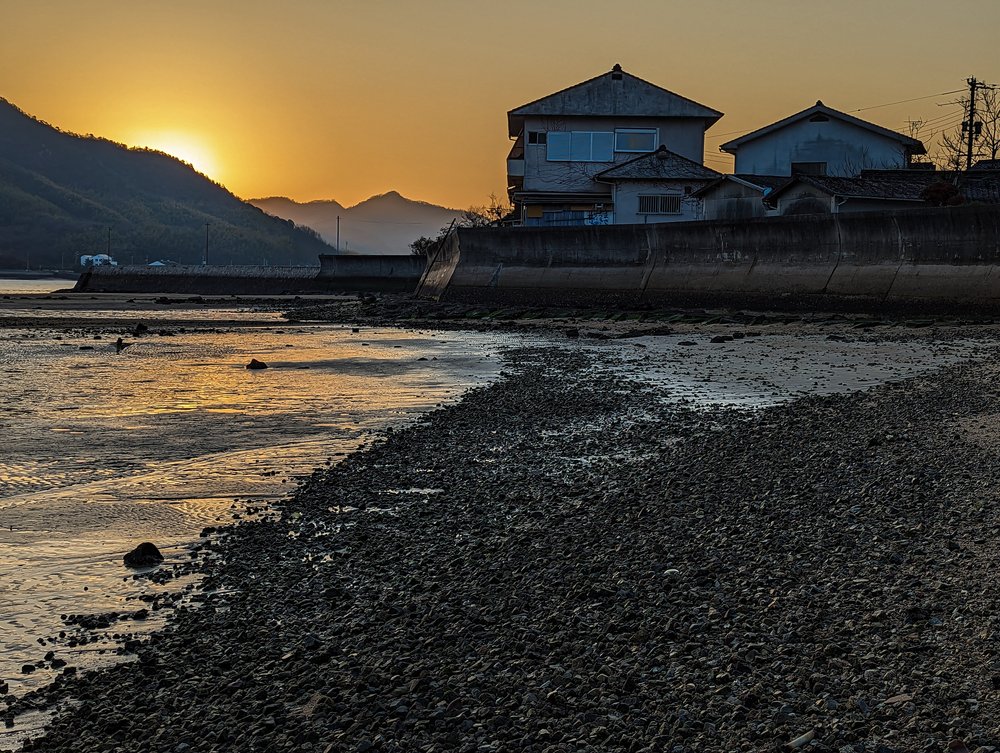
You are on Sagishima (佐木島), in the Seto Inland Sea, in Mihara City, Hiroshima. Once this island held about 3,600 people; today it holds a few hundred, and nearly a third of its houses stand empty. Don't be disheartened though. It is the reason there is work to do. あなたがいるのは、広島県三原市、瀬戸内海に浮かぶ佐木島だ。かつてこの島には三千六百人ほどが暮らしていたが、いまは数百人にまで減り、家のおよそ三分の一は空き家のまま立っている。けれども気落ちすることはない。それこそが、ここに為すべき仕事がある理由なのだから。
The Red Dot School is one part of what is being built here: a community organized around restoring this island, its buildings, and a way of life that is in danger of disappearing. It is something closer to an abbey or an old craft-school than to a university: productive in real work, hospitable to outsiders, and built to last beyond the people who started it. レッドドットスクールは、ここで築かれつつあるものの一部である。すなわち、この島と、その建物と、消えかかっている暮らしのかたちを取り戻す仕事のまわりに組まれた共同体だ。それは大学というより、修道院や昔ながらの工房に近い。実際の仕事において生産的であり、よそ者をもてなし、始めた者たちの寿命を超えて続くように築かれている。
The island 島について
Everything we have gathered about Sagishima, its place and history, its people, its buildings, its food and rituals, lives in one place. Read it the way you would explore, not the way you would study. 佐木島について私たちが集めてきたすべて、その土地と歴史、人々、建物、食と儀礼は、一つの場所にまとめられている。勉強するようにではなく、探検するように読んでほしい。
The compass 羅針盤
The Red Dot Foundation exists to bring this island out of hospice: to restore Sagishima's capacity to renew itself, in people and in spirit, so that the mutual-aid culture carried today by its elders is inherited by a living community, not preserved as the record of one that died. レッドドット財団は、この島をホスピスから連れ出すために存在する。すなわち、佐木島が自らを更新する力を、人においても精神においても取り戻し、いま島の高齢者たちが担っている相互扶助の文化が、死んだ共同体の記録として保存されるのではなく、生きた共同体へと受け継がれていくようにするためである。
The shape of the Foundation 財団の形
The Foundation is organized around five parts, each with its own work and its own logic, all of them held together by a common purpose and a single governing body. The diagram shows how they sit together: the five parts within the Foundation, the Foundation within the larger civic context of the island. Understanding the five parts will help you find your bearings. Each is described in turn below. 財団は五つの部分を中心に組み立てられている。そのどれもが固有の仕事と固有の論理を持ち、共通の目的と一つの統治機関によって束ねられている。下の図は、それらがどう組み合わさるかを示す。財団のなかの五つの部分、そして島というより大きな市民的文脈のなかの財団である。五つの部分を理解すれば、自分の立ち位置がつかめるだろう。以下、順に説明する。
The School and its public programme 学校と公開プログラム
The School is where most new people enter the Foundation. Today its working form is The Red Dot School (レッドドットスクール), which has been conducting architecture studios on Sagishima since 2017. It is composed of several activities that together form a single educational and cultural institution. 学校は、多くの新しい人が財団に入る入口である。いまその働きの形はレッドドットスクールであり、2017年から佐木島で建築スタジオを続けてきた。複数の活動から成り、それらが合わさって一つの教育・文化機関を形づくっている。
Long-term students and fellows live and study here for periods of months to years, working alongside the design studio and the material workshop, learning by doing real work in a real place. Short-term participants come for two-week residency studios (currently organized under the 2026 Salvage-as-a-Service program), masterclasses, and seasonal programs. Visiting faculty and lecturers pass through. And the public programme of exhibitions, lectures, publications, and hosted events is the school's outward-facing face, the part that engages the wider world of architecture and design beyond the island. 長期の学生やフェローは、数か月から数年にわたってここで暮らし学び、デザインスタジオや物質の工房とともに働き、現実の場所で現実の仕事をすることで学ぶ。短期の参加者は、二週間の滞在スタジオ(現在は2026年のサルベージ・アズ・ア・サービスとして組まれている)、マスタークラス、季節のプログラムに訪れる。客員の教員や講師も行き交う。そして展示、講演、出版、催しから成る公開プログラムは、学校の外に向いた顔であり、島の外の建築とデザインの世界と関わる部分である。
The School is not run on a conventional university model. Long-term students do not pay tuition; they are compensated with room, board, training, and progressively meaningful work as their skill develops. Short-term participants do pay (currently around $1,560 USD or ¥100,000 for a two-week studio, depending on residency status), at substantial rates, because their participation funds the longer-term educational work. The public programme is partly self-supporting through ticketed events and publications, and partly an investment in the Foundation's reputation and intellectual life. 学校はふつうの大学の仕組みでは運営されていない。長期の学生は授業料を払わず、住まい、食事、訓練、そして技能が育つにつれて次第に意味を増す仕事をもって報いられる。短期の参加者は相応の額を払う(現在は在留資格により二週間でおよそ千五百六十ドル、十万円ほど)。その参加が、より長期の教育の仕事を支えるからだ。公開プログラムは、有料の催しや出版によって一部は自立し、一部は財団の評判と知的生活への投資である。
The School works through a four-group pedagogical framework that connects each cohort's work to the other organs of the Foundation: 学校は、各期の仕事を財団のほかの器官につなぐ四つのグループという教育の枠組みを通して働く。
- Square ↔ the Resident Community and the wider community of the island. The Field upon which the Foundation lies. Anthropology, oral history, agriculture, ritual documentation, civic engagement: the long study of what is already here. 四角は定住コミュニティと島のより広い共同体へ。財団が載る土台。人類学、口述史、農、儀礼の記録、市民的関与。すでにここにあるものを長く学ぶ営みだ。
- Circle ↔ the Material Workshop. The circular economy of deconstruction and reuse: cataloging, disassembling, sorting, redistributing salvaged material. 丸は物質の工房へ。解体と再利用の循環経済。救い出した資材を、記録し、分解し、選り分け、再び分け与える。
- Triangle ↔ the Design Studio. The point of the spear, a ridged roof, the pinnacle of design: drawing, building, fabricating. Triangle seeks to create exemplary, world-class work. 三角はデザインスタジオへ。槍の穂先、棟をもつ屋根、設計の頂。描き、建て、つくる。三角は、世界水準の範となる仕事を生み出そうとする。
- X ↔ the Stewardship Council. Cross-cutting work: ambition, big ideas, true innovation, the projects that do not yet fit anywhere else but might define what the Foundation becomes. バツは評議会へ。横断する仕事。野心、大きな構想、真の革新、まだどこにも収まらないが財団の行く末を定めるかもしれない企てである。
The marks are how the School routes its energy outward into the rest of the Foundation. They are not how any of the other organs internally organize themselves. この印は、学校が自らの力を財団のほかの部分へと外へ送り出す道筋であって、ほかの器官が内側でどう組まれているかを示すものではない。
The Material Workshop 物質の工房
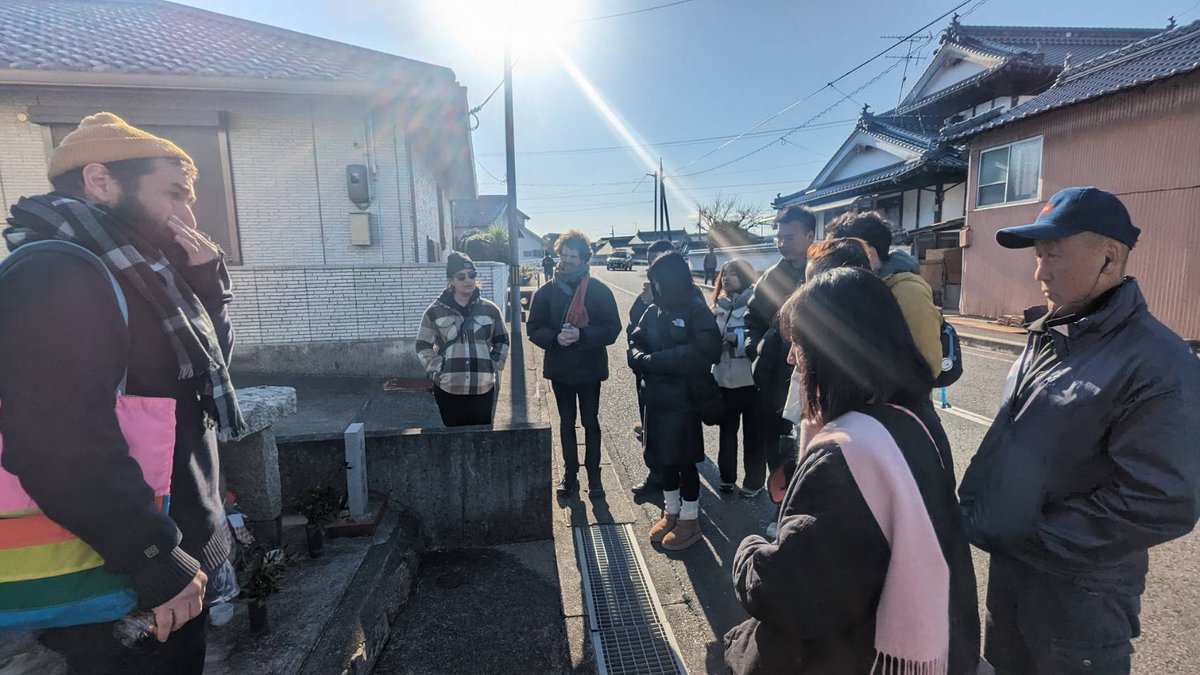
The Material Workshop is the Foundation's second productive arm, and the part that most directly engages the island's material reality. Sagishima, like much of rural Japan, is full of akiya (空き家): vacant houses, many of them beautiful, many slowly disappearing into the ground. The Workshop acquires, restores, disassembles, and redistributes these buildings and their materials. Some houses are restored and returned to use as homes, studios, or community spaces. Some are carefully disassembled using hikiya (曳家, the traditional hand-relocation of timber-framed houses), and their timber, tile, and hardware are catalogued and made available for new construction or restoration elsewhere. 物質の工房は、財団の二つめの生産の腕であり、島の物質的な現実にもっとも直に関わる部分だ。佐木島は、日本の多くの田舎と同じく空き家に満ちている。その多くは美しく、その多くがゆっくりと地に還りつつある。工房はこれらの建物とその資材を取得し、修復し、分解し、再び分け与える。ある家は修復され、住まいや工房、共同の場として使い直される。ある家は曳家(木造家屋を手で移す伝統の技)によって丁寧に分解され、その木材、瓦、金物が記録され、別の場所での新築や修復に使えるようにされる。
A working project, the Sagishima Data Project, documents each recovered material in a developing digital twin of the island, in four sub-projects: the Thirsty Island (hydrology), 88 Plus Alpha (the pilgrimage of 88 stone alcoves), Infinite Matsuri (the festival mode), and the Digital Twin proper. 進行中の企てである佐木島データ・プロジェクトは、回収した資材の一つ一つを、育ちつつある島のデジタルツインに記録する。四つの小企てから成る。渇いた島(水文)、88プラスアルファ(八十八の石龕の巡礼)、無限祭(祭りの様態)、そしてデジタルツインそのものである。
The Workshop's work is at once commercial (material sales, restoration, disassembly contracts), pedagogical (students learn vernacular construction by doing it), and civic (it addresses one of the island's most visible material problems). It demonstrates a particular ethic: that materials, buildings, and the labor that made them are not disposable. In the Workshop's vocabulary, deconstruction is a ritual inversion of jichinsai (地鎮祭, the Shinto ground-breaking ceremony): closing rather than opening, releasing rather than claiming. 工房の仕事は、同時に商いであり(資材の販売、修復、解体の請負)、教育であり(学生は土地の建て方を、実際にやることで学ぶ)、市民的である(島のもっとも目に見える物質的な問題の一つに応える)。それは一つの倫理を示す。資材も、建物も、それらをつくった労も、使い捨てではないという倫理だ。工房の言葉では、解体は地鎮祭の儀礼的な反転である。開くのではなく閉じ、奪うのではなく解き放つ。
The Design Studio デザインスタジオ
The Design Studio is the Foundation's architectural practice. Its working form is Found Object, currently a pre-launch firm: the material catalog and brand infrastructure exist; client engagement is the next stage. As it matures, it will take on real commissions for real clients on the island, in the region, and beyond, operating with the discipline of commercial practice. Its specialism is the work this island makes possible: restoration of vernacular buildings, design for depopulating and aging communities, the integration of traditional and contemporary building methods, place-based architecture that engages seriously with material, climate, and culture. デザインスタジオは、財団の建築の実務だ。その働きの形はファウンド・オブジェクトであり、いまは始動前の事務所である。資材カタログとブランドの基盤はすでにあり、次の段は顧客との関わりだ。成熟するにつれ、島で、地域で、その先で、現実の顧客のための現実の仕事を、商業実務の規律をもって引き受けていく。その専門は、この島が可能にする仕事である。土地の建物の修復、過疎と高齢化の共同体のための設計、伝統と現代の工法の統合、資材・気候・文化と真剣に関わる場所に根ざした建築だ。
The Studio is also where students and fellows do their most consequential work, contributing to live projects as junior collaborators, then as designers, then as project leads as they grow. Its commercial revenue is intended to contribute meaningfully to the Foundation's sustainability and to underwrite the no-tuition model of the long-term student program. スタジオはまた、学生やフェローがもっとも重みのある仕事をする場でもある。初めは見習いの協働者として、やがて設計者として、さらに育てばプロジェクトの長として、進行中の仕事に加わる。その商業的な収益は、財団の持続可能性に確かに寄与し、長期学生プログラムの授業料無償の仕組みを支えることを意図している。
The Resident Community 定住コミュニティ
The Resident Community is the people who live here year-round because of, or in alignment with, the Foundation. Some are founders. Some are faculty and staff. Some are fellows and senior students. Some are immigrants from Japan and elsewhere who have made this island their home in part because of the creative work that drew them here. Some are returnees. Some, among them Kawamoto Yoshishige (河本義成), known as Isso, have lived on Sagishima all their lives, and are co-founders not because they arrived but because they were already here. They are not all employees, and the Foundation does not own their lives or their decisions. But they share a sense of being of this place, and their presence is what makes the institution a community rather than a workplace. 定住コミュニティとは、財団ゆえに、あるいは財団と調子を合わせて、一年を通してここに暮らす人々だ。創設者もいる。教員や職員もいる。フェローや上級の学生もいる。日本やよそから移り、ここへ引き寄せた創造の仕事もあってこの島を住まいとした者もいる。戻ってきた者もいる。なかには河本義成、イッソのように、生涯を佐木島で過ごし、来たからではなくすでにここにいたゆえに共同創設者である者もいる。みなが雇われているわけではなく、財団が彼らの生や決定を所有しているわけでもない。けれども彼らは、この場所のものであるという感覚を分かち合っており、その存在こそが、この機関を職場ではなく共同体にしている。
The Community is also a constituency the Foundation serves and is accountable to. Decisions that affect the long-term character of the place are not made by the Council alone; the Community has a voice in governance. Many who arrive first as short-term participants later return to live here, for years or for life. This pattern is not incidental; it is part of the design. コミュニティはまた、財団が仕え、説明責任を負う相手でもある。場所の長期的な性格に関わる決定は、評議会だけで下されるのではない。コミュニティは統治に声を持つ。初めは短期の参加者として訪れた多くの者が、のちに何年も、あるいは生涯、ここへ戻って暮らす。この型は偶然ではない。設計の一部なのだ。
The Stewardship Council 評議会
At the center of the organism is the Council, the body responsible for the Foundation as a whole. Its work is the long view: the rule by which the institution operates, the succession of leadership, the integrity of the mission across generations. The Council is not the same as the management of any particular part of the Foundation. It is the body whose job is the institution itself, including the question of what the institution should still be in fifty or a hundred years. Members include founders, senior practitioners, community representatives, and outside advisors. The Council is bound by the Foundation's written rule, the same rule that binds every other member, including those who founded the place. この有機体の中心にあるのが評議会、財団全体に責任を負う機関である。その仕事は長い眼差しだ。機関が則って動く規範、指導の継承、世代を越えた使命の一貫性である。評議会は、財団のどこか特定の部分の運営と同じではない。機関そのものを仕事とする機関であり、五十年、百年の先にこの機関は何であるべきかという問いをも含む。構成員には創設者、熟練の実務家、コミュニティの代表、外部の助言者が含まれる。評議会は財団の成文の規範に縛られる。それは、この場所を創設した者をも含む、ほかのすべての構成員を縛るのと同じ規範だ。
How they fit together どう組み合わさるか
The five parts are not separate departments. They are aspects of a single integrated activity, and most serious participants engage with more than one. A faculty member may teach in the School, lead a project in the Studio, advise the Workshop, sit on the Council, and live in the Resident Community, all at once. The people are the integration; the structure exists to support how they actually work, not the other way around. Money, knowledge, material, and people flow between the parts continuously. 五つの部分は、別々の部署ではない。一つの統合された営みの諸相であり、本気の参加者の多くは二つ以上に関わる。ある教員は、学校で教え、スタジオで企てを率い、工房に助言し、評議会に列なり、定住コミュニティに暮らす。それを一度に行う。統合しているのは人であり、構造は彼らが実際にどう働くかを支えるために在るのであって、その逆ではない。お金、知、資材、人が、部分のあいだを絶えず行き交う。
A single public-interest foundation is the structural goal. Today the work proceeds through several entities: The Red Dot School (一般社団法人), a Japanese general incorporated association registered in Mihara City; RDS USA NPO, a US non-profit arm with its own three-person board; and Found Object, the design practice in formation. Spinning these into one foundation, with the School, Studio, Workshop, and Council as named programs within a single governance and accounting structure, is the design we are working toward. 一つの公益財団が、構造としての目標である。いまの仕事は、いくつかの法人を通して進む。三原市に登記された一般社団法人レッドドットスクール、独自の三人の理事会を持つ米国の非営利の腕RDS USA NPO、そして形成途上の設計実務ファウンド・オブジェクトだ。これらを一つの財団へと束ね、学校・スタジオ・工房・評議会を、単一の統治と会計の構造のなかの名のついたプログラムとすること。それが、私たちが目指している設計である。
How to be a good guest よき客であるために
There is one test we hold everything to, including ourselves and including you: integration over extraction. Does what you do here deepen the life of this island, or just run alongside it and take from it? 私たちがすべてを照らす一つの尺度がある。自分たち自身も、あなたも含めて。収奪ではなく統合。あなたのすることは、この島の暮らしを深めるのか、それともただ並走して奪うだけなのか。
Much of what makes a studio here possible is not bought but given: cars lent when we need them, hands when we are stuck, sweets cooked by the grandmothers, vegetables and fish shared at dinner. The island carries us. Notice it, and give back in kind. The elders here have practiced mutual aid longer than any of us have been alive; learning how they do it is part of why you came. ここでスタジオを可能にしているものの多くは、買われたのではなく与えられたものだ。必要なときに貸される車、行き詰まったときの手、祖母たちの炊いた菓子、夕餉に分けられる野菜と魚。島が私たちを支えている。それに気づき、同じように返すこと。ここの高齢者たちは、私たちの誰よりも長く相互扶助を実践してきた。その仕方を学ぶことが、あなたが来た理由の一つなのだ。
And come strange. The island does not need an audience; it needs people who arrive with something genuinely their own to carry forward. そして、風変わりなまま来てほしい。島は観客を必要としていない。携えて先へ進むべき、本当に自分自身の何かを持って来る人を必要としている。
The people 人々
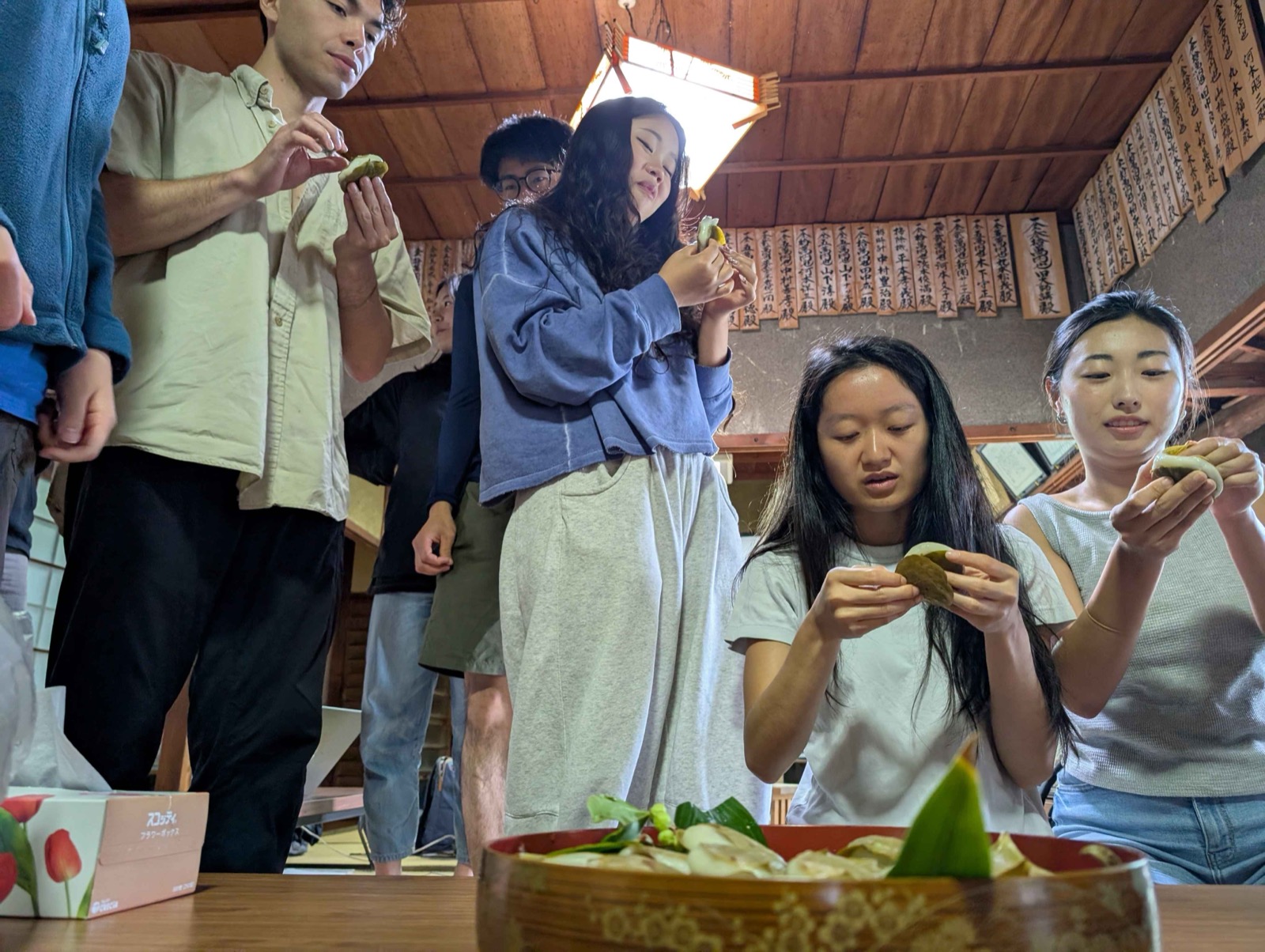
You will meet the founders, and you will meet Kawamoto Yoshishige (河本義成), known as Isso, who has lived on Sagishima all his life and is a co-founder not because he arrived but because he was already here. He is the island's memory. If you remember one name before you come, make it his. あなたは創設者たちに会い、そして河本義成、イッソに会うだろう。生涯を佐木島で過ごし、来たからではなくすでにここにいたゆえに共同創設者である人だ。彼は島の記憶である。来る前に一つだけ名を覚えるなら、彼の名にしてほしい。
Getting here 行き方
- By Shinkansen, then ferry (the usual way): Shinkansen to Fukuyama, transfer to a local train to Onomichi Station (not the more distant Shin-Onomichi). From Onomichi Port the ferry reaches Sunoue Port in a little over twenty minutes, and Kakumeisha is a few minutes' walk from there. 新幹線、そしてフェリー(ふつうの道):新幹線で福山へ、在来線に乗り換えて尾道駅へ(遠い新尾道ではない)。尾道港からフェリーで二十数分、須ノ上港に着き、格明舎はそこから歩いて数分だ。
- Via Mihara: from near Shinkansen Mihara Station, the island is roughly 13 to 15 minutes by ferry or speed vessel. Unusually close to a Shinkansen station for a bridgeless island. 三原経由:新幹線の三原駅の近くから、島まではフェリーや高速船でおよそ13〜15分。橋のない島としては、新幹線の駅に珍しく近い。
- One store, cash only. The island's single shop is the JA Store (JAストア), plus vending machines. Credit cards are not accepted anywhere on the island, so bring yen. 店は一つ、現金のみ。島の唯一の店はJAストア、あとは自動販売機だ。島のどこでもクレジットカードは使えないので、円を持ってくること。
- Customs / postal address: 〒723-0022 広島県三原市鷺浦町向田野浦5008-3 (Mukōtanoura). 住所:〒723-0022 広島県三原市鷺浦町向田野浦5008-3。
Before you come 来る前に
Pack 持ち物
- Cash (yen): around ¥20,000 is a safe buffer for a two-week studio; no cards on the island. 現金(円):二週間のスタジオなら二万円ほどが安心の備え。島にカードは使えない。
- Work clothes and closed shoes you do not mind ruining, this is a building site as much as a school. 汚れてもよい作業着とつま先の覆われた靴。ここは学校であると同時に建築の現場だ。
- Layers and rain gear; weather in the inland sea turns. 重ね着と雨具。瀬戸内の天気は変わりやすい。
- A reusable water bottle, work gloves, and any personal tools you love working with. くり返し使える水筒、作業用の手袋、そして使い慣れた愛用の道具があれば。
- Indoor slippers / socks for the tatami spaces. 畳の間のための室内履きや靴下。
- Curiosity, and something of your own to bring to the work. 好奇心、そして仕事に持ち込める、あなた自身の何か。
Draft packing list, refine with the cohort lead before you publish it. · 持ち物の下書き。公開の前に各期の担当と詰めること。
Join the Discord ディスコードに参加
Remote collaboration is something we are not bad at. The Discord is where the cohort lives before, during, and after the studio. Come look at all the happy, busy, smart people making things. 遠隔での協働は、私たちのわりと得意とするところだ。ディスコードは、スタジオの前も、最中も、後も、その期の仲間が集う場である。楽しげに、忙しく、賢く、ものをつくる人々を覗きに来てほしい。
to come · 追って Who to find (arrival contacts) and the schedule (the shape of the two weeks) will be added here. Xavaar does not have these yet; they are good practical things to include before this page is handed to a cohort. 誰を訪ねるか(到着時の連絡先)と日程(二週間のかたち)は、ここに加えられる。ザヴァールはまだこれらを持っていない。各期に渡される前に入れておくとよい、実際的な事柄だ。
If you're here for a studio スタジオで来た人へ
Everything above is true for anyone who comes. This part is for you, the studio cohort: where you fit, where you sleep, where you eat, and the rhythm of the days. ここまでは、訪れる誰にとっても本当のことだ。ここからは、スタジオの参加者であるあなたへ。どこに収まり、どこで眠り、どこで食べ、日々がどんな調子で流れるか。
Your group あなたのグループ
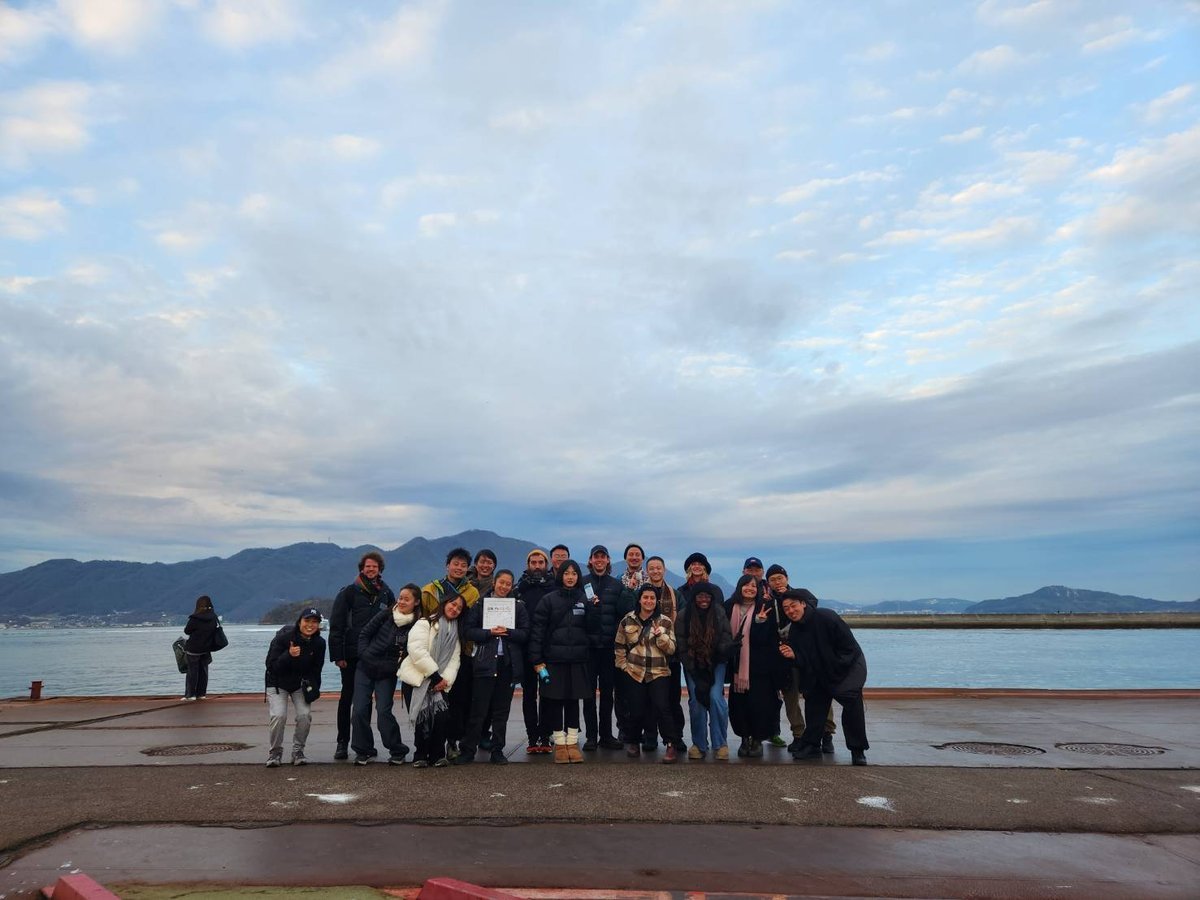
Every cohort is split across four marks. You will belong to one, but you are encouraged to wander into the others. The people who thrive here usually have overlapping interests. どの期も四つの印に分かれる。あなたは一つに属するが、ほかへ歩み入ることを勧める。ここで伸びる人は、たいてい重なり合う関心を持っている。
Where you live and eat 住まいと食事
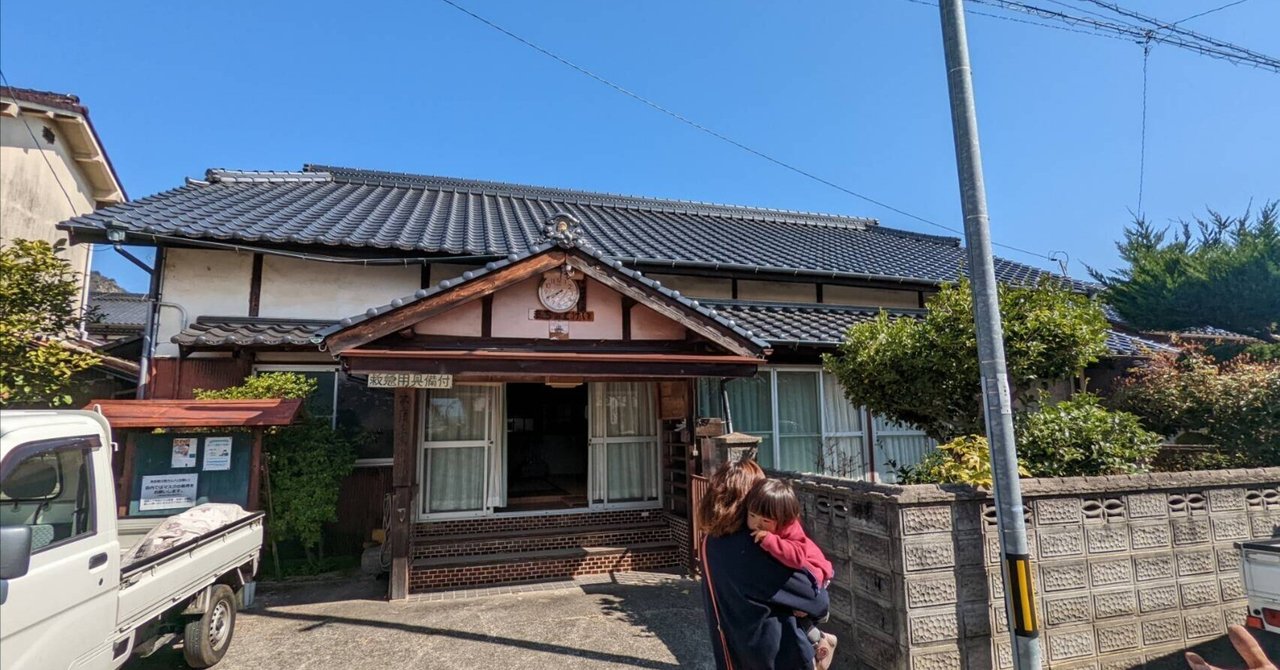
The schoolhouse is Kakumeisha (格明舎), the oldest standing public building on the island. Students sleep in Sumifuku House (住福の家) and Asahi House (旭の家); teachers in Tsumiki and Itaru houses. Meals are taken together, outside, in the space between Tsumiki and Itaru, as they have been for as long as the studios have run. Larger gatherings happen down at Sunoue Beach. 校舎は格明舎、島に現存するもっとも古い公共の建物だ。学生は住福の家と旭の家に泊まり、教員はつみきの家とイタルの家に。食事はみなで、外で、つみきの家とイタルの家のあいだの場でとる。スタジオが続いてきたあいだ、ずっとそうしてきた。より大きな集いは、須ノ上の浜で開かれる。
The rhythm 日々のリズム
The days are built around real work and shared meals, and they open with the island's radio taiso (ラジオ体操), the morning exercise the elders invite us to. Showing up to it is small, and it is also the whole point: it is how we are folded into the island rather than running alongside it. 日々は現実の仕事とともにする食事を軸に組まれ、島のラジオ体操で始まる。高齢者たちが私たちを誘ってくれる朝の運動だ。そこに顔を出すことは小さなことであり、同時にすべてでもある。それは、私たちが島に並走するのではなく、島に織り込まれていく仕方なのだ。