マテリアル物語
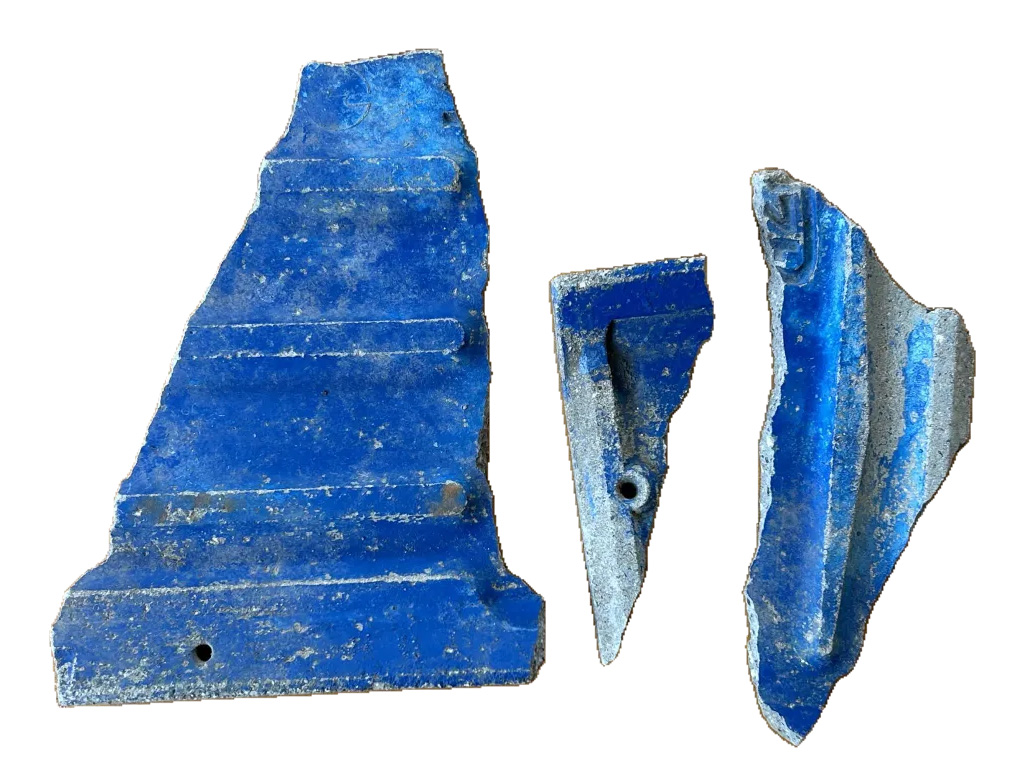
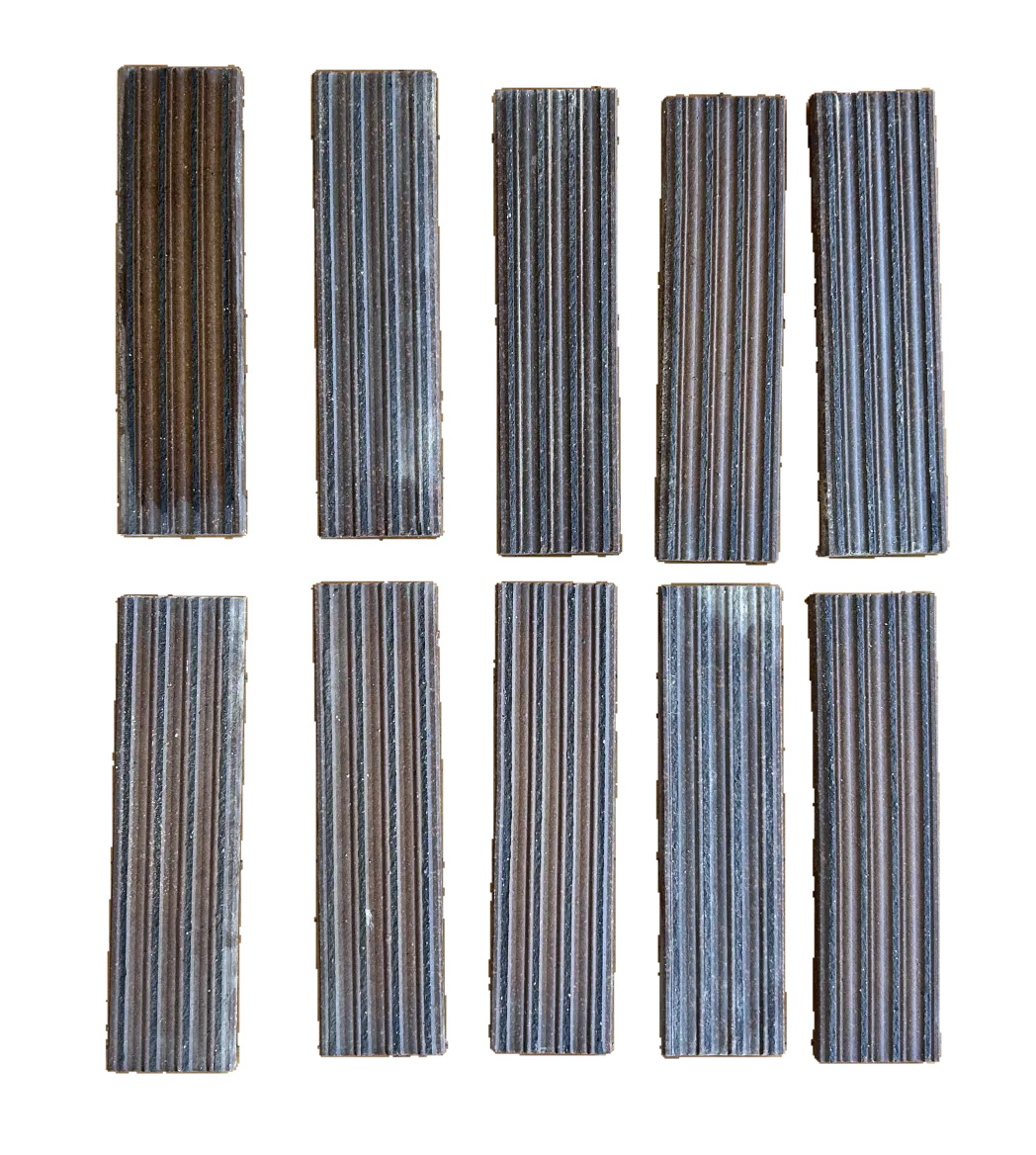
建設した壁はガビオンウォールで、鉄のフレームの中に佐木島中のマテリアルがぎっしり詰まっています。マテリアルは廃墟からサルベージした物、または島民の方々から受け取った物で成り立っています。この壁の建設目的は、島民達の生活を何十年も支えてきたマテリアルの歴史に注目を向けて、調べることです。このマテリアルはタイムカプセルの一種であり、物として役目を果たした今でもなお佐木島の人口減少の歴史を辿る重要な道標となります。
Material Stories
The wall we have created is a gabion-wall, where a metal lattice encapsules materials and objects from Sagishima. The materials used are either salvaged from abandoned houses or kindly gifted to us by local residents who no longer need them. Maybe they are broken, outdated, replaced or simply redundant. With this wall we want to focus on the history of Sagishima through the everyday objects and materials that have supported the islanders’ livelihoods for many years. At the same time, it also tells a story about an island in degrowth, where as people leave, objects tend to stay. This wall is a time capsule, a narrative about island life, an accumulation of memories.
時間、変化、そして浸食
50年代、佐木島には約3600人の島民が住んでいましたが、人口は次第に減少し、今は約650人になりました。そのおかげで、島中様々な廃墟が見られます。
このプロジェクトで私たちが最初に興味を持ったのは、廃墟と自然の浸食の関係性でした。コンクリートの割れ目、朽ちた木材、割れたガラスの隙間などから植物は力強く生えているのに私は惹かれました。元々人の住居だった場所を植物が居候し、美しい生態系を生み出していたのです。しかし、このような植物の空き家の浸食は公ではあまり良い印象はなく、低迷下と繋がっています。なので、この浸食のストーリーを島民の方々が大切に、そして美しく思えるようにしたくなりました。このプロジェクトを通して、佐木島のマテリアルをハイライトし、時間が経過するにつれてマテリアルがどう変化するか観測したいです。理想的には、長期的観測しているうちに植物が壁に生え、壁に入っている様々なマテリアルが植物の浸食とどう干渉していくのを見ていきたいです。植物が育つ手助けをしてすぐ朽ちるマテリアルもあれば、何百年も残るマテリアルがあります。
Time, Change and Decay
While Sagishima had a population of around 3600 inhabitants in the 1950s, these numbers have drastically dropped. Today, approximately 650 people live on the island. This implies an abundance of building stock, residential and communal.
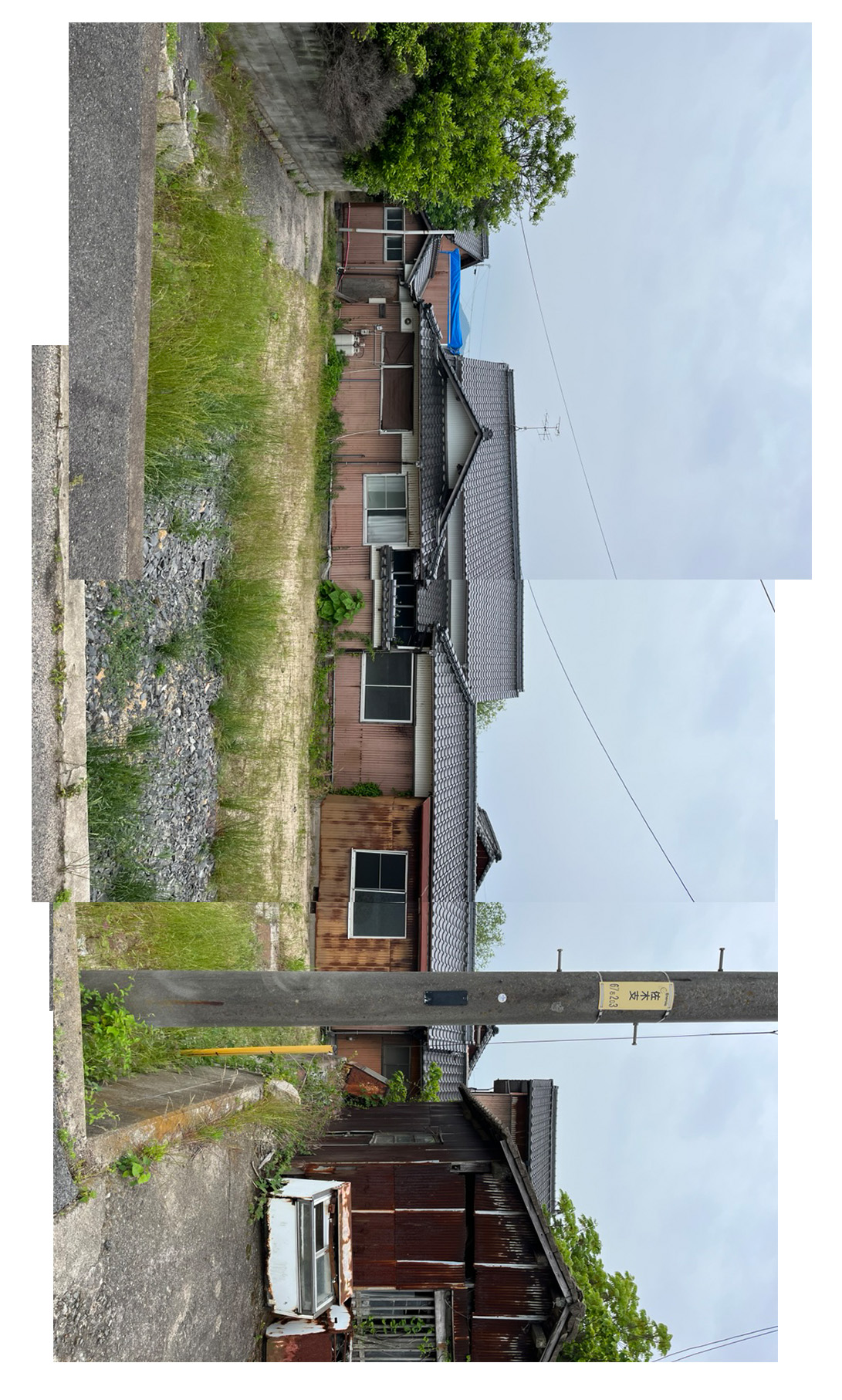
The idea behind the wall started with a fascination for how nature has taken back ground from previously urbanized areas. Through cracks in concrete, decayed wood and broken glass, plants and flowers find their way, turning overgrown, green, abandoned houses and gardens into an architectural typology characterizing Sagishima. Despite this being very common, it is usually not something people are proud of: it shows an island in decay – the story of abandonment. We asked ourselves if we could turn this story into something beautiful and meaningful for the islanders. We want to highlight the materials of Sagishima, experimenting with how they react to being exposed to the elements and seasons. In our vision, plants will slowly start to grow on the wall over time. Some materials will promote plant growth and decay quickly, while others may last hundreds of years.
佐木島を根に
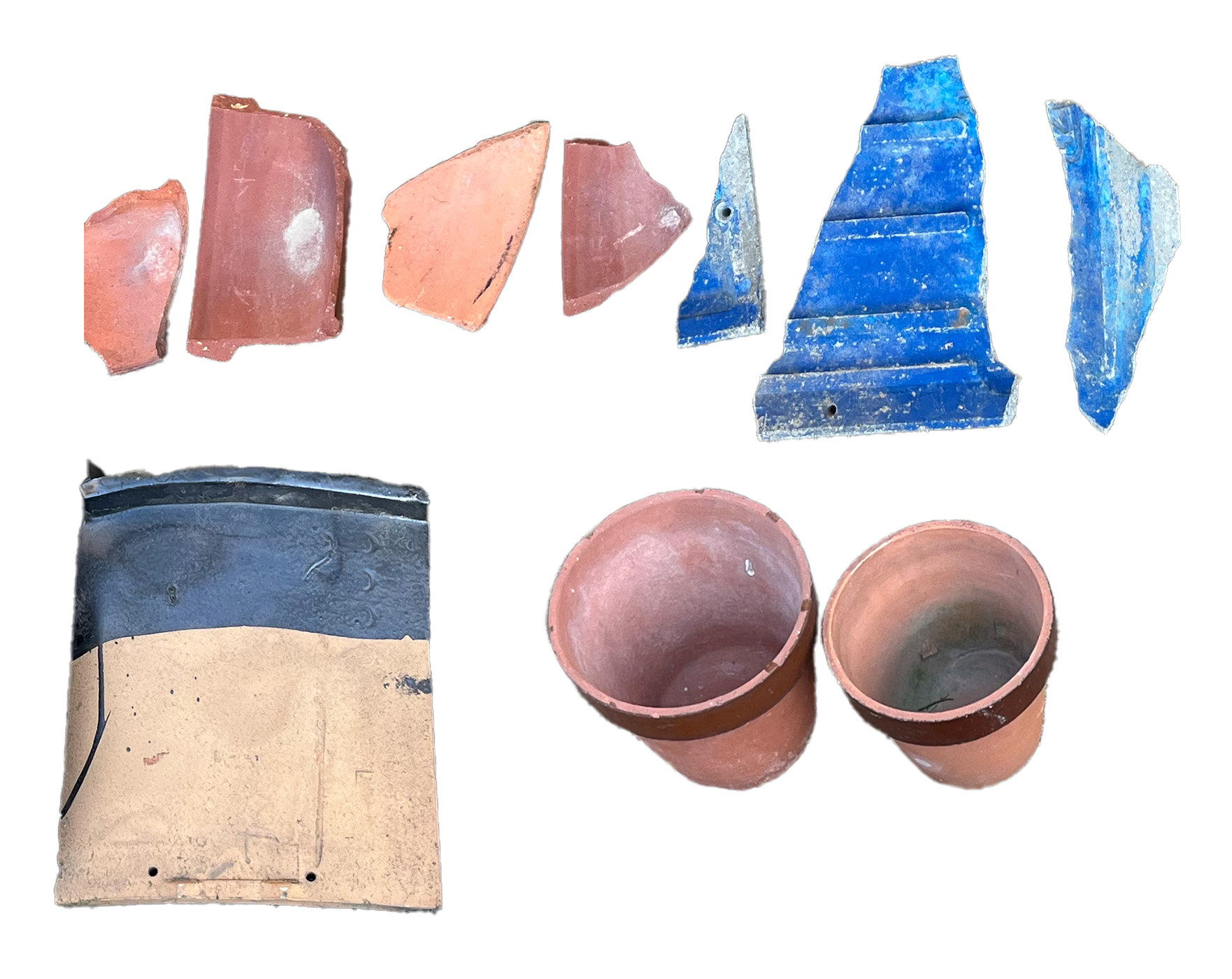
壁のマテリアルは廃墟からサルベージした物、または島民の方々から受け取った物で成り立っています。島民の方々と話を交わすことによって、彼らのマテリアルとストーリーを頂きました。私たちが思った程島民の方々は物を渡す気はありませんでした。なので、頂いたマテリアルのほとんどは島民の方々が「どうしようもなくなったモノ」で成り立っています。ですが、このマテリアルを壁に再利用することで、「どうしようもなくなったモノ」に新しい意味を与えることができます。島民の方々もマテリアルがこの様に使われていることに意味を持っていると思ってほしいです。
Root in Sagishima
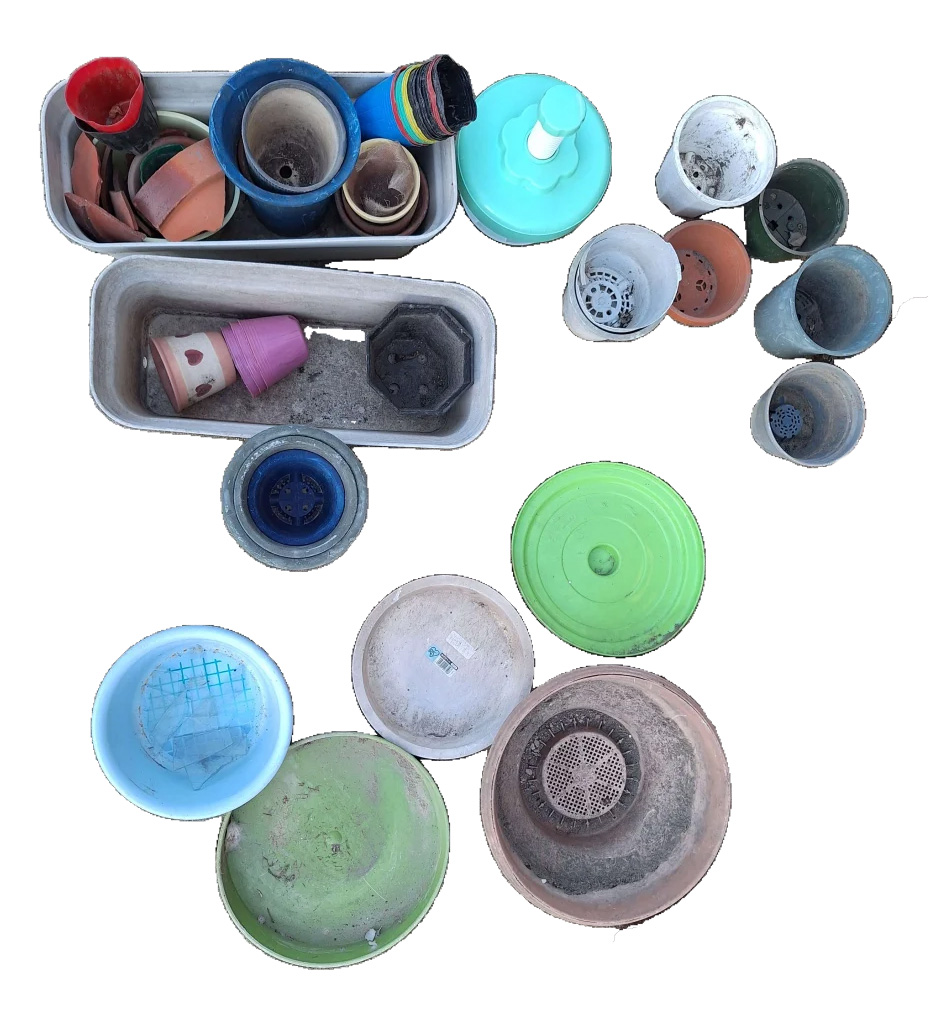
The materials used for building the wall are all either salvaged or gifted by local residents. By walking around Sunoe and talking to the locals, we were able to obtain materials as well as hear their stories. Islanders were more reluctant to donate their things, keeping things for their functionality or sentimental value. In other words, the materials that we amassed were things people truly no longer wanted or needed. However, new meaning can be embedded in these materials by repurposing them as walls. We hope that the islanders will also see something meaningful in seeing their gifts organized in this way.
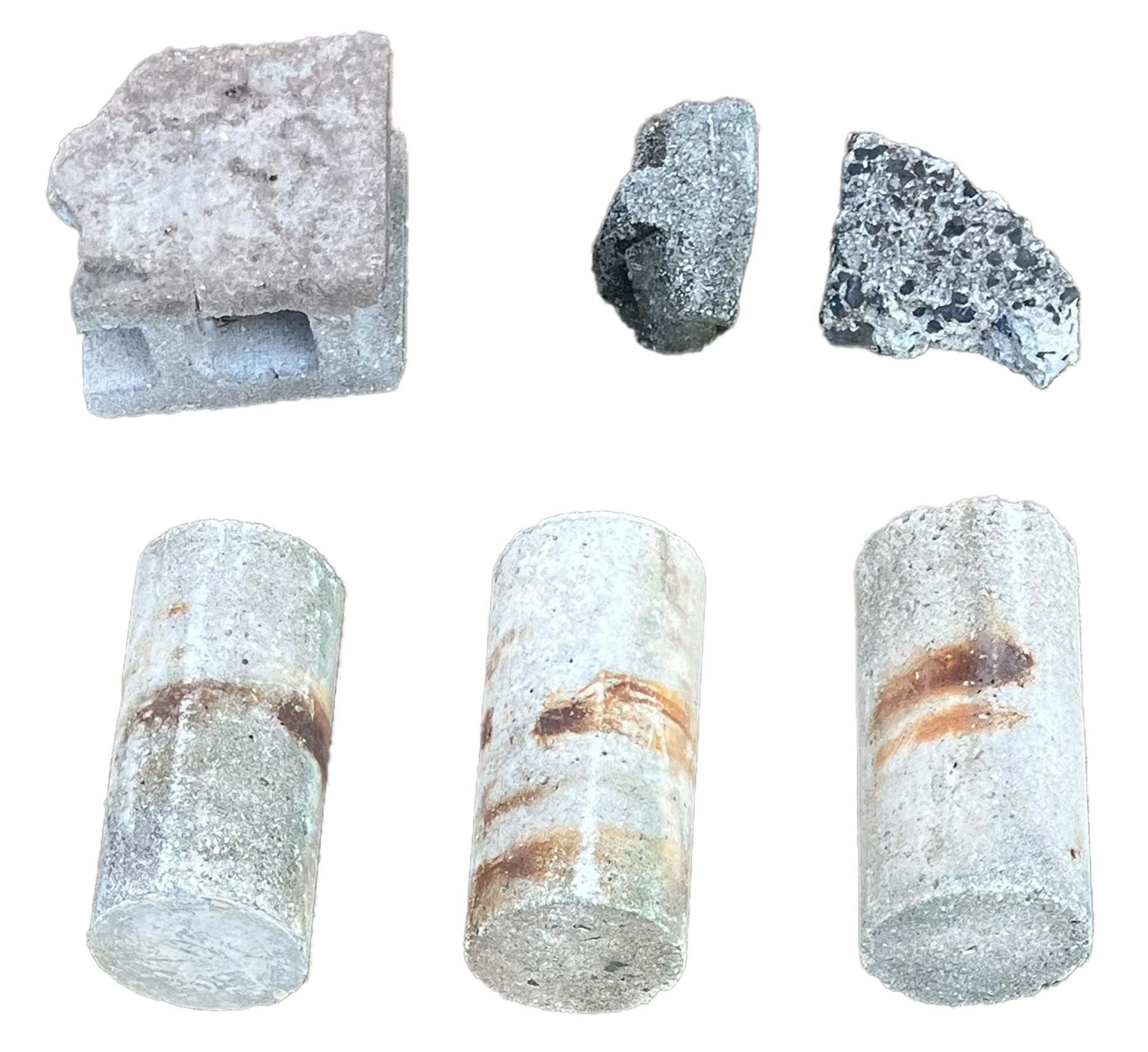
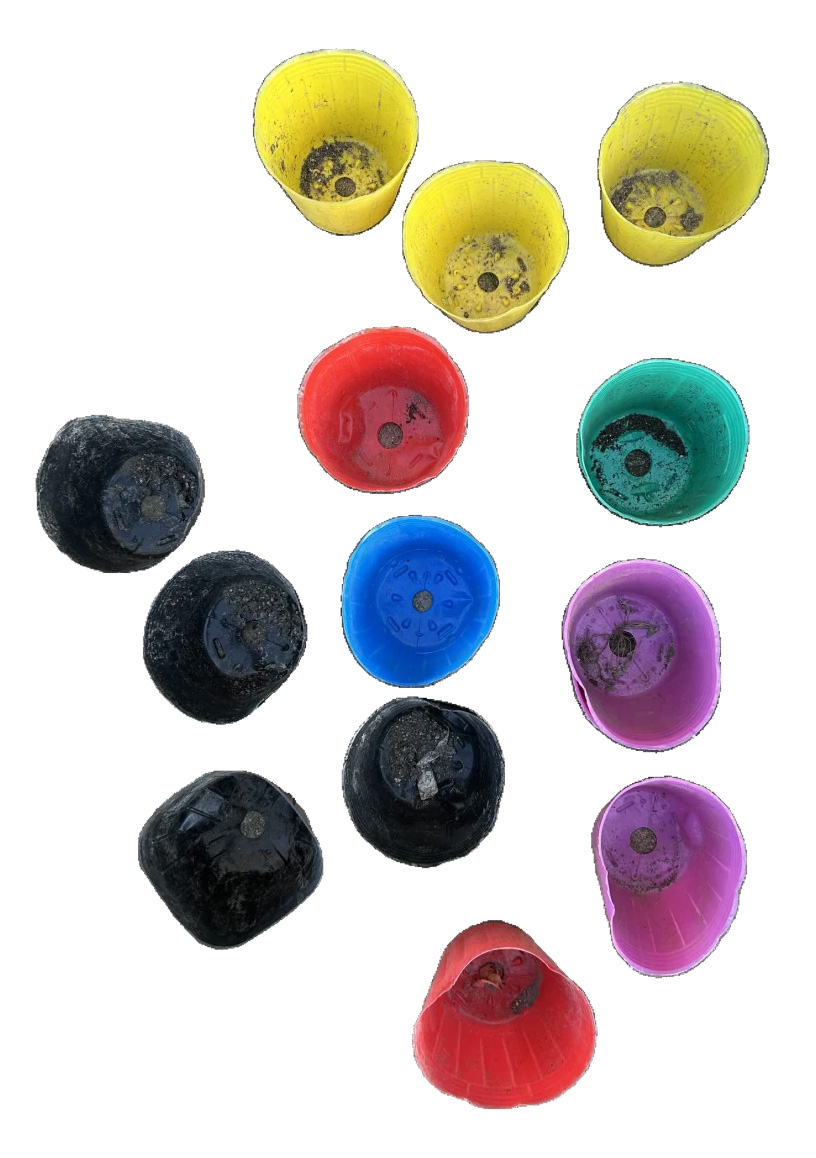
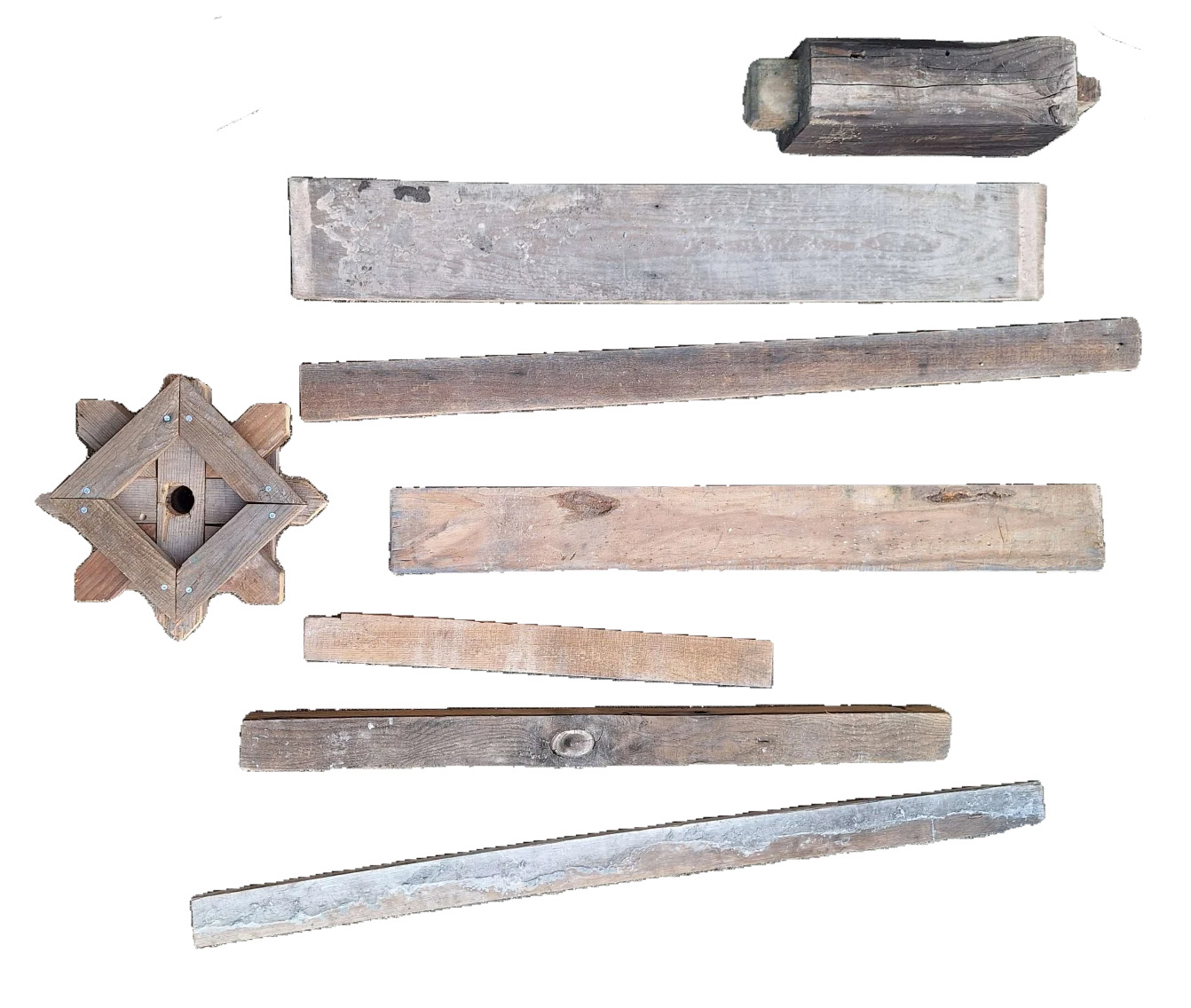
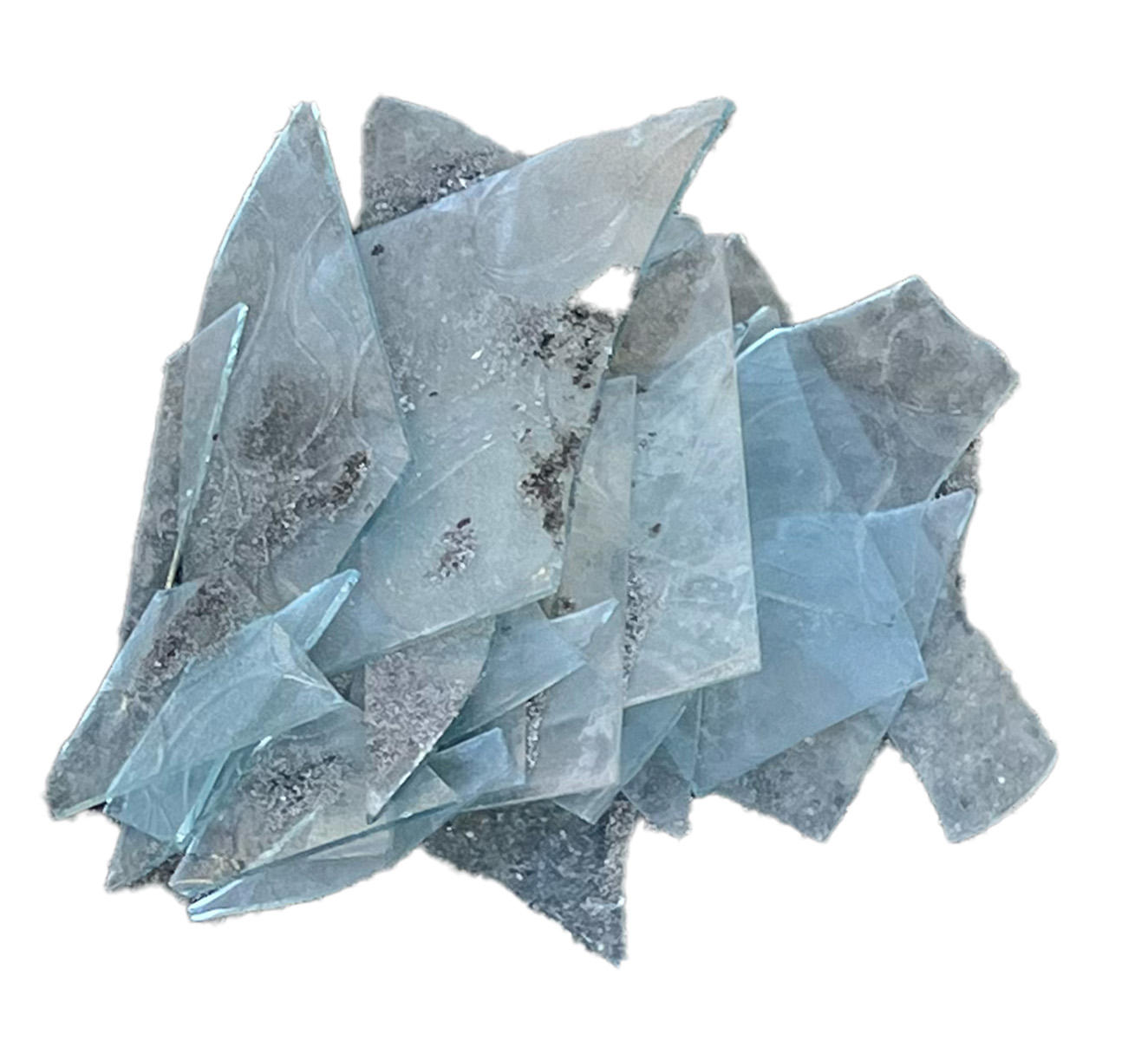
マテリアルの種類
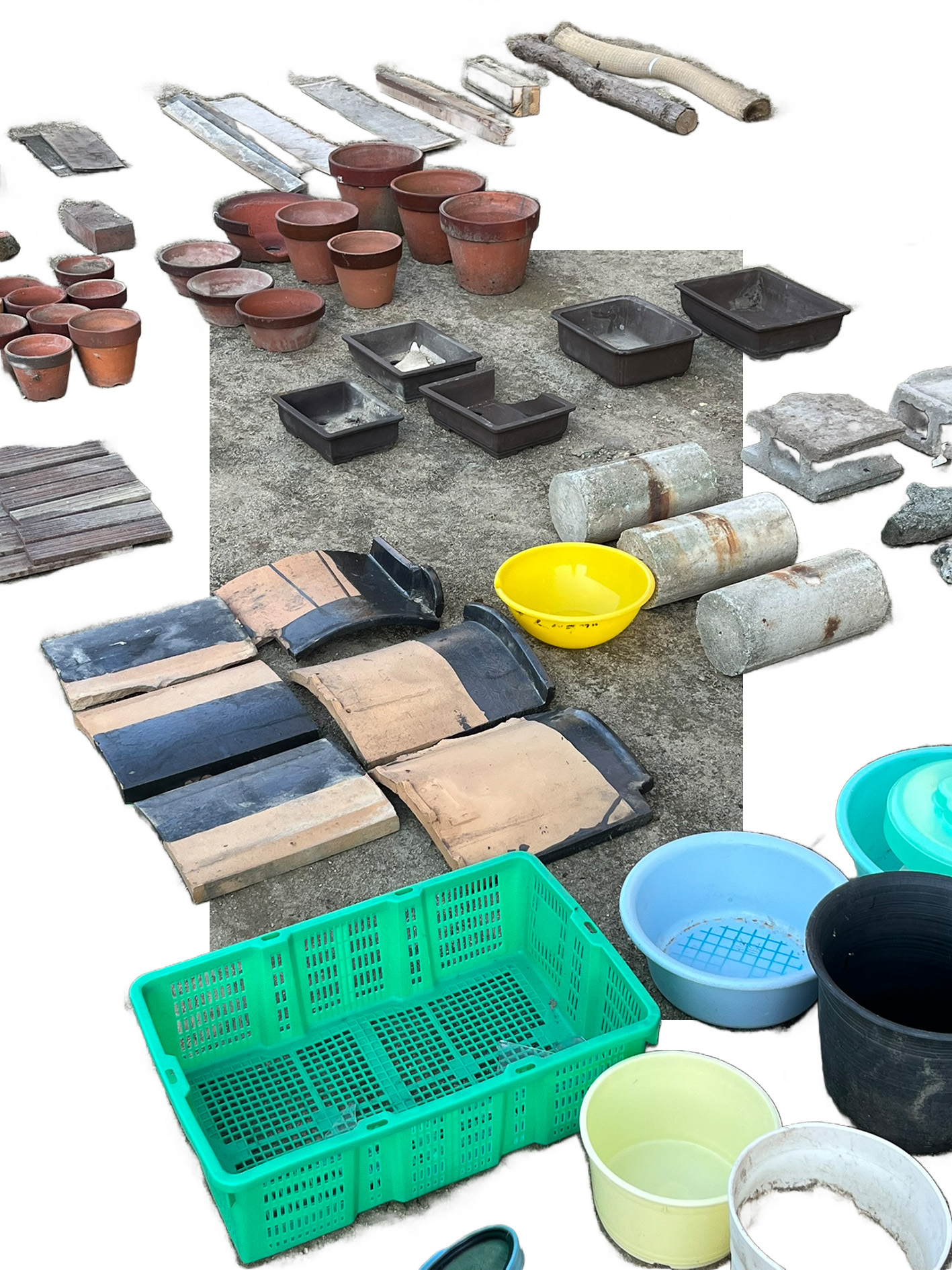
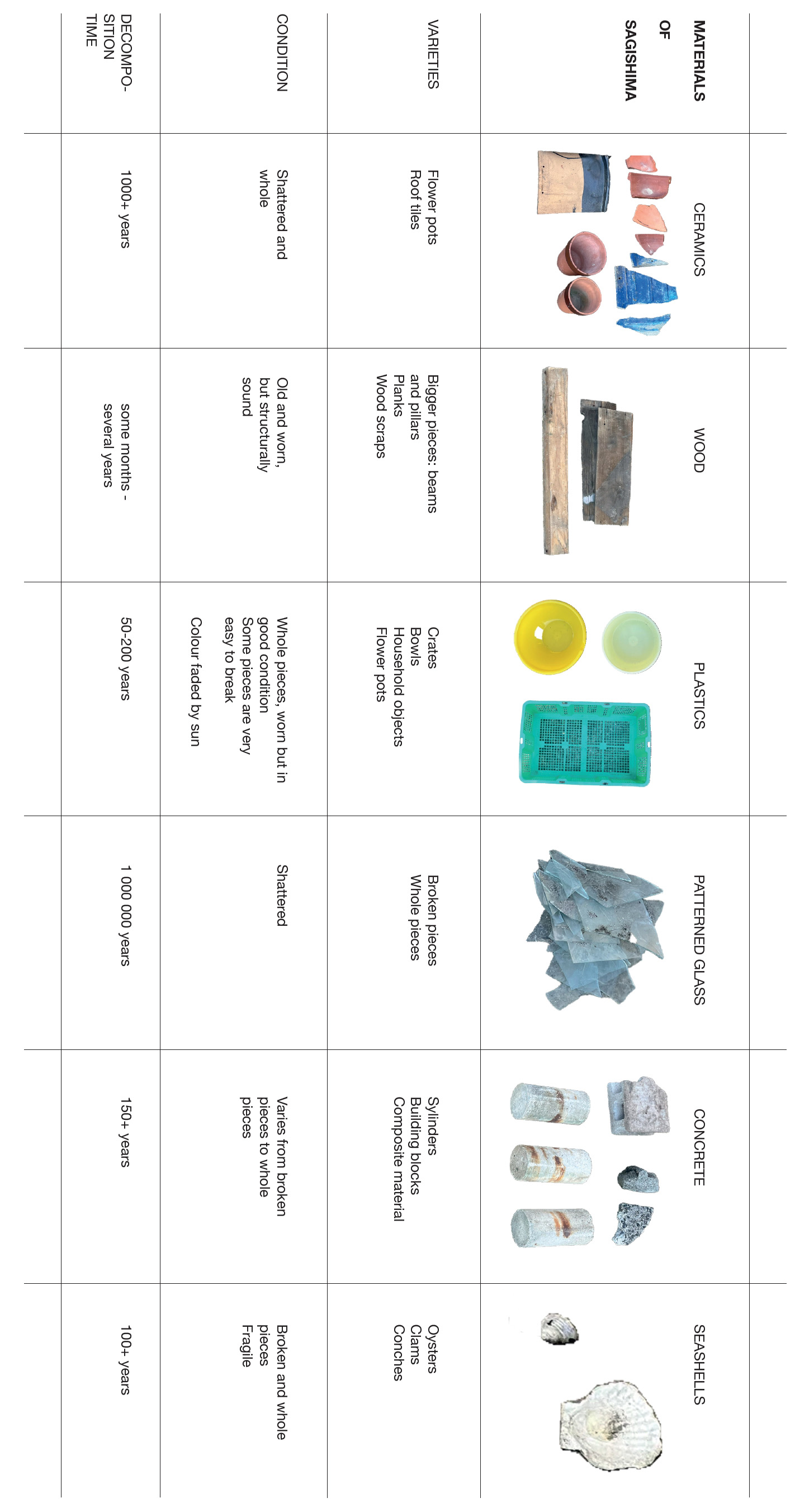
「どうしようもなくなったモノ」に意味をまた持たせるために、できるだけ多くのマテリアルの種類を使いました。私たちはマテリアル一つ一つを耐久性、硬さ、朽ちるための時間、色彩、形などの項目を使って分析しました。このカテゴリーを使って、様々なマテリアルの分け方を編み出しました。
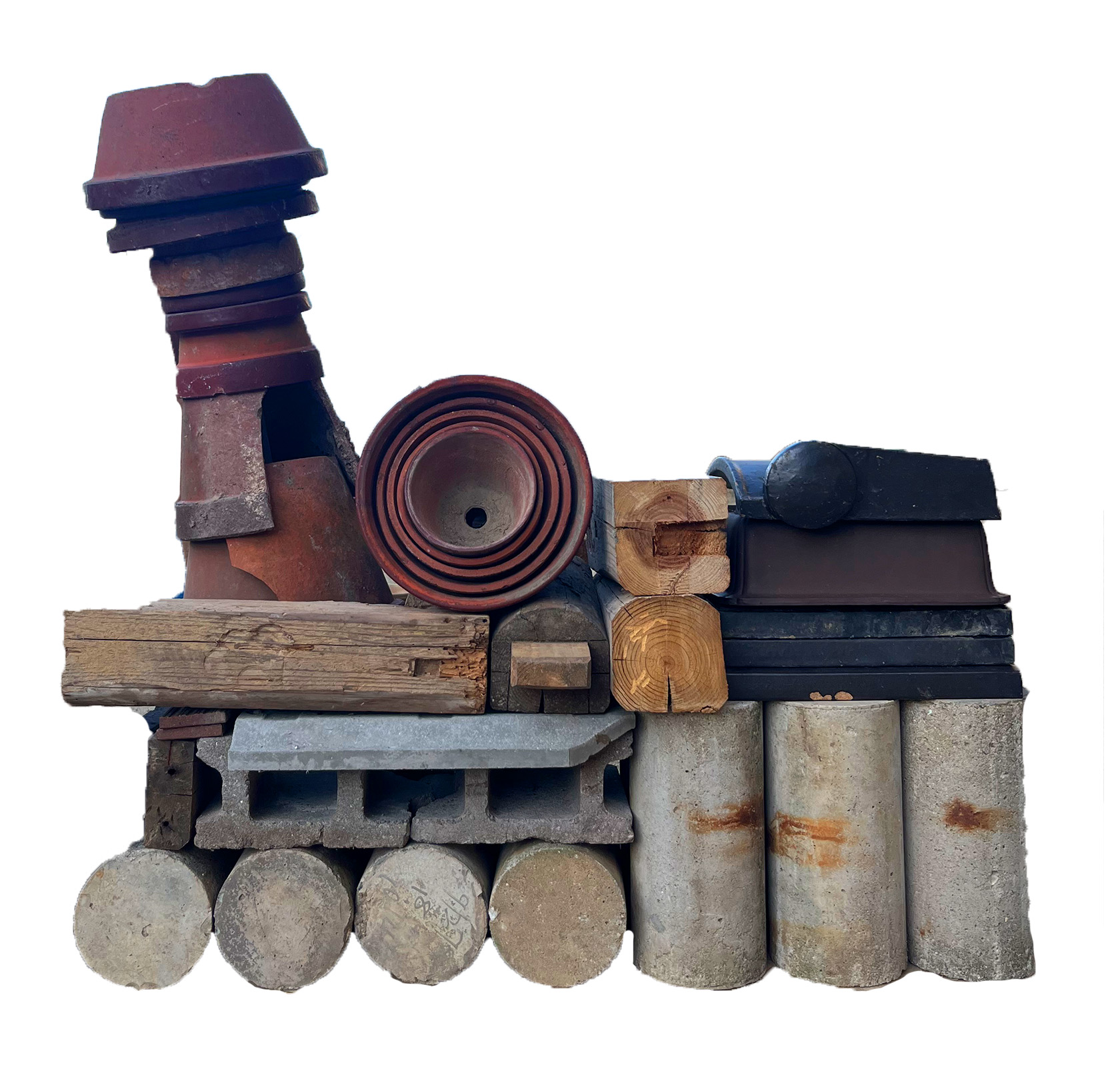
マテリアルを手に取って様々な方法を試した結果、重く、耐久性があるマテリアルを下に置き、柔らかい、耐久性が低いマテリアルを上に置く構造になりました。
Materials and Objects
We worked with a variety of material properties in order to look for a meaningful way to arrange the objects within the wall. Some of the properties we evaluated were durability, hardness, decomposition time, colour and shape. These were used to create different constellations which we used to look for patterns and that we found interesting. Maybe they surprised us, maybe they felt completely natural.
The final suggested constellation is rational and tectonic, with heavy, sturdy materials creating the foundation, and softer and lighter material higher up. This is what felt intuitive to us, after getting to know the material with our hands and bodies. It is easily legible and might make islanders and others see these objects in a new light.
サイト
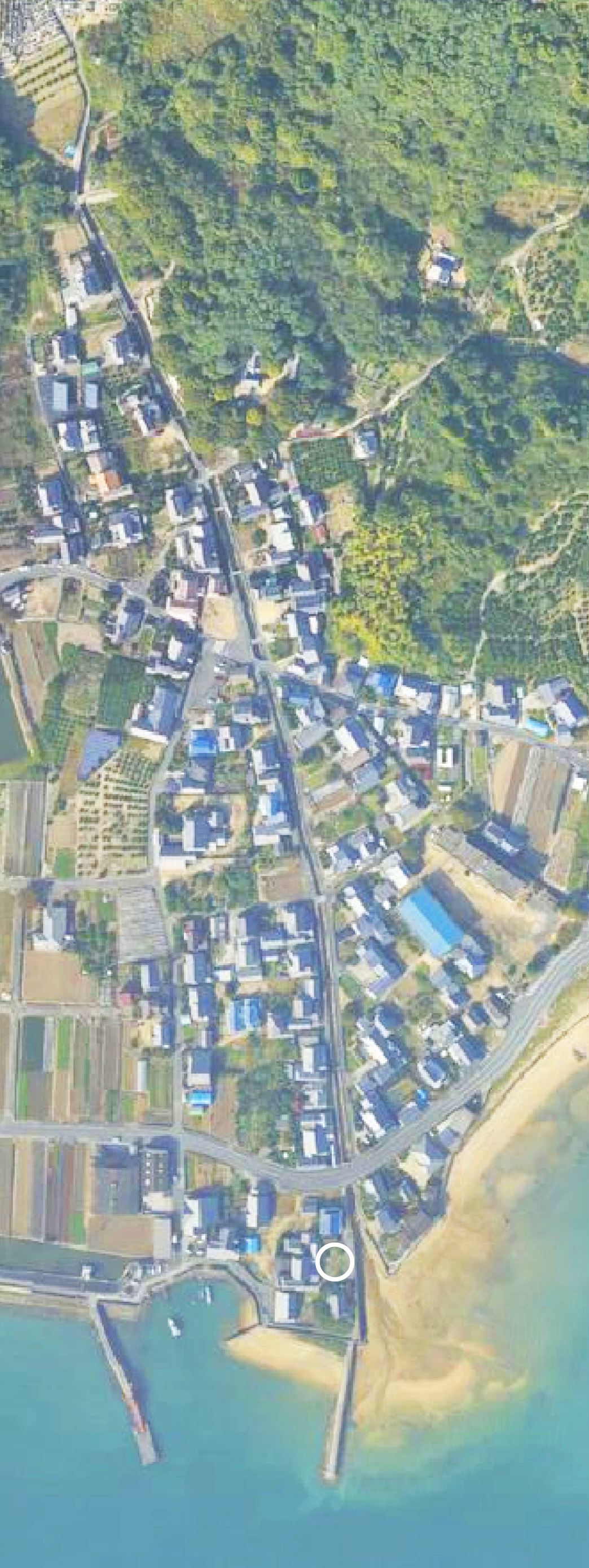
壁は須ノ上の空き地に固定させるつもりです。空き地に放置されることによって、植物と周りの人や建物との関係性が生まれます。島民の方々、観光客、そしてRDSの将来の生徒たち全員がマテリアルの観測をすることができます。佐木島の変わりゆく風景を理解するため、そしてその佐木島に生き続ける島民の方々を理解するために重要性があると私たちは思います。
Site
The prototype is intended to be placed in an unutilized plot with a central location in Sunoe. Here, it can stand by itself, left to nature, and at the same time creating a relationship between the abandoned houses surrounding the site. Islanders, visitors and future students of RDS can observe the materials and how they interact with nature – a living, ever changing testimony to Sagishima and to the people and the materials that make a part of it.
未来の応用
現在、壁には複数の使い道があります。立っているままだとテーブルとして応用することができ、横に倒せばベンチとして使うことができます。がビオンウォールを複数作ることができれば、汎用性が高まり、作ることができるものが増えます。例えば、島民の方々のマテリアルを集めるマテリアルバンクの壁として機能することも可能です。島民の方々がいつでもマテリアルバンクにマテリアルを残せるようにすれば、毎年RDSの生徒が新しいがビオンウォールを作ることができます。
Future Uses
We can imagine many potential uses for this kind of system. Standing up, the wall can be modified to become a table for islanders to users. Additionally, the wall serves as a bench if the wall is rotated horizontally. If more gabion walls are constructed in the future, there will be more uses. One idea involves creating a material bank, using the gabion wall to hold the structure up. The material bank will have a simple structure, being an open shed with a roof and two gabion walls. Islanders can leave materials at the bank for RDS students to repurpose as gabion walls.
.jpg)
.jpg)
.jpg)